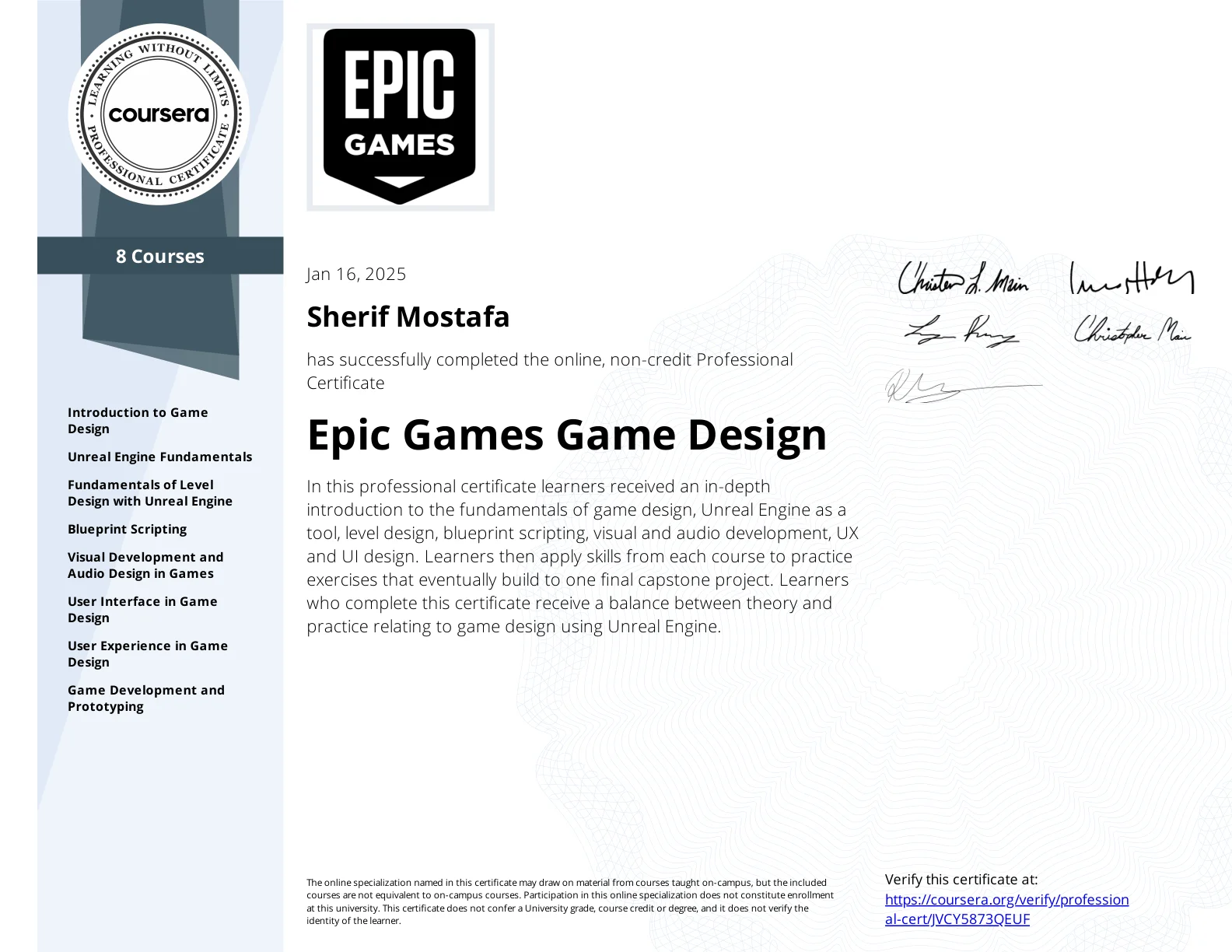
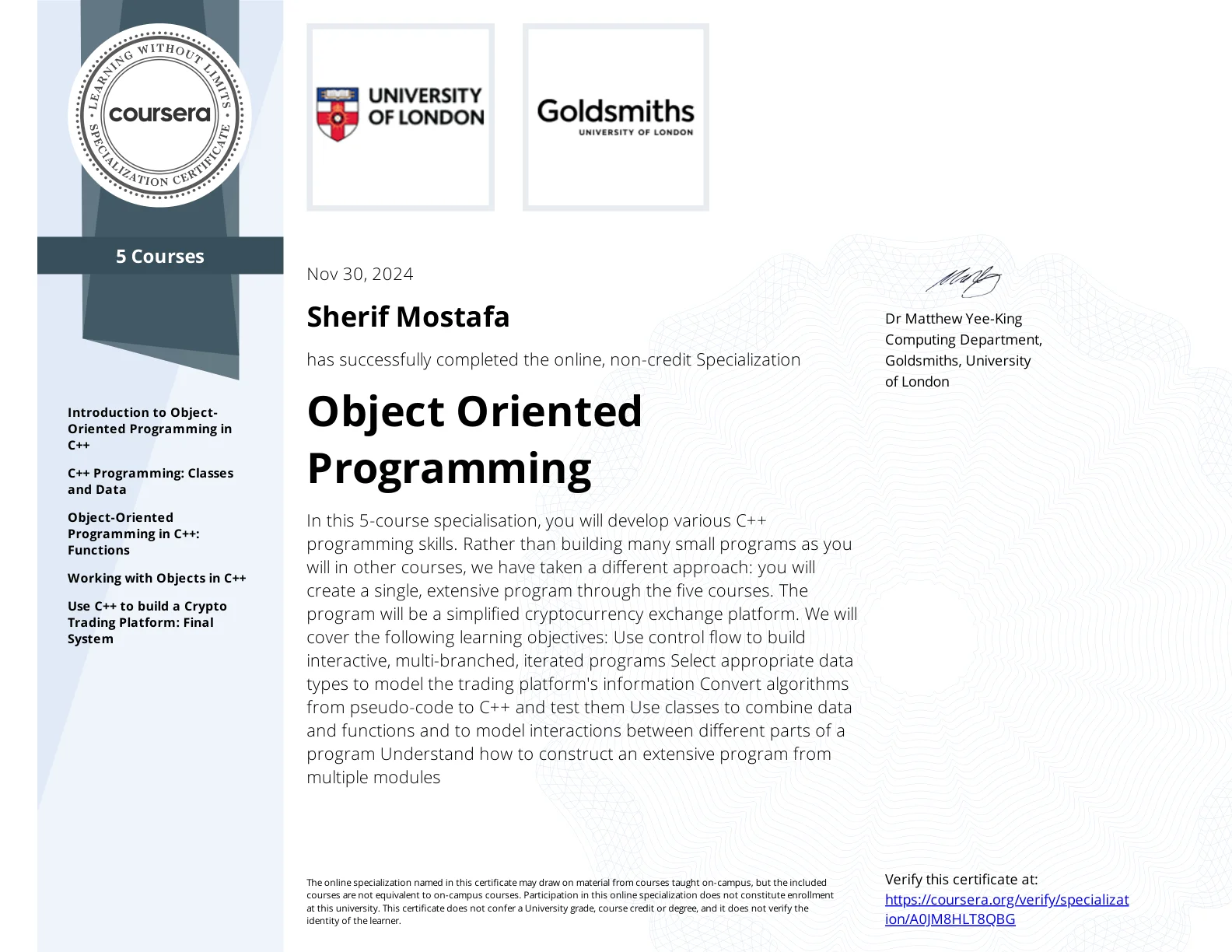
Founder of 99 Studios, a multidisciplinary digital studio creating innovative products and services across digital twins, software, interactive experiences, web development, and brand identity. I lead the vision and execution of solutions that blend strategy, design, and technology to create meaningful and future-ready digital experiences.
Led technical direction and hands-on development for a virtual try-on product combining digital human bodies, realistic garments, and interactive cloth simulation. Took an early demonstration into a packaged Unreal Engine application and invite-only closed alpha, then advanced its transition to WebGPU to run directly on users’ devices.
Technical direction & team leadership
- Founder alignment: Translated founder-defined requirements for MetaHumans, visual quality, body representation, and cloth realism into engineering work. Balanced those requirements with practical performance and delivery constraints while guiding the team’s technical direction.
- Architecture & research: Investigated multiple technical approaches in parallel and structured core implementations to support alternatives, including options beyond Unreal Engine.
- Team leadership: Led two developers across backend integration and focused technical investigations, connecting their contributions to the complete product.
- Quality & mentoring: Established an internal live-testing and reporting cycle that helped reduce bugs and improve first-time usability. Mentored an intern in discovery research and AI-assisted experimentation for the future WebGPU implementation.
Unreal Engine — from demonstration to closed alpha
- Product delivery: Replaced an editor-based demonstration created by the founder with a packaged application supporting real-time cloth simulation and runtime garment adaptation.
- Dynamic garment refitting: Implemented garments that refitted to newly imported, dynamically generated body shapes inside the running application, including collision handling and size-suitability detection relative to each body shape.
- Simulation performance: Reduced average simulation time from approximately one minute in the founder’s original editor workflow. Unlike the static garments in the old method, the packaged application supported interactive garments that simulated in real time.
- Instant refitting: Enabled garment refitting to happen instantly, with immediate end-user visuals and effectively instant end-to-end latency in the alpha.
- Responsive interactions: Reworked the experience so subsequent garment, size, and color changes happened instantly, while improving visual realism through Unreal Engine’s rendering capabilities.
- Desktop & mobile access: Delivered the application through Pixel Streaming, allowing users to interact through supported browsers while rendering and simulation ran remotely.
- User experience: Implemented the founder’s visual design, adapted interactions for desktop and mobile, and added an orientation journey to help new users understand the product.
- Delivery milestones: Brought the system into local operation in under one month. Following backend completion, reached an invite-only closed alpha within a further month, with testing and refinement for invited users.
WebGPU — bringing rendering and simulation to the client
- Client-side implementation: Led the move from Unreal Engine to WebGPU, developing graphics and simulation capabilities that ran directly on the user’s device.
- Visual fidelity: Implemented and compared multiple approaches to shadows, lighting, effects, and post-processing. Selected scenes reached an estimated 80% visual similarity to the Unreal Engine reference.
- Shadow rendering: Developed a lightweight shadowing method with realistic shadow behavior comparable to Unreal Engine, improving close-up detail while maintaining high performance.
- Rendering performance: Optimized rendering-focused configurations to achieve approximately 60 FPS on tested mid-range devices and stable 60-plus FPS on tested high-end devices.
- Cloth simulation: Implemented and optimized multiple simulation methods, alongside collision approaches for stationary bodies and dynamic body movement.
- GPU-based XPBD co-simulation: Implemented an Extended Position-Based Dynamics (XPBD) co-simulation algorithm on the GPU.
- Simulation performance: Improved simulation performance by reordering the vertices array.
- 50% lower simulation cost: Reduced cloth-simulation cost by approximately half in the stationary-body case through collision optimization.
- Integrated performance: Achieved approximately 30 FPS for a complete scene with one actively simulated garment—a separate, more demanding workload than the rendering-focused configurations.
Project: Jareed Interactive Digital Twin (Botanica Landscapes x 99 Studios)
- Served as the Technical Lead for "Jareed Interactive," a high-fidelity real-time sales application for the Jareed residential compound in Qatar. This project was delivered as a strategic partnership between Botanica Landscapes and my agency, 99 Studios.
- While the 3D environment was crafted by Botanica's engineering team, I was responsible for the complete technical architecture, logic programming, and performance optimization within Unreal Engine.
Key Contributions:
- Real-Time CRM Integration: Engineered a dynamic sales interface allowing agents to visualize and update unit statuses (Available, Reserved, Sold, Rented) in real-time, transforming the 3D model into a live inventory management tool.
- Multi-Modal Exploration: Programmed four distinct navigation systems to provide a comprehensive spatial experience: Human Walkthrough (FPS), Vehicle Simulation (Driving), Drone Flight, and Orbit View.
- Optimization & Graphics: Achieved photorealistic visual fidelity while maintaining high frame rates suitable for interactive presentations, implementing dynamic lighting and time-of-day systems.
- Sales Enablement Tools: Developed built-in media capture tools and interactive filters, enabling the sales team to generate personalized visual assets for clients instantly.
View Jareed project →
Led a critical Research & Development (R&D) initiative to define, standardize, and scale a best-in-class production pipeline for high-fidelity 3D architectural renders, cinematic animations, and interactive Virtual Reality (VR) experiences. Successfully completed the foundational phase, establishing the technical strategy necessary to improve efficiency, guarantee visual consistency, and accelerate time-to-market for digital deliverables.
Pipeline Strategy & Implementation
- Architected a Hybrid Workflow: Conducted detailed technology evaluations (BIM vs. 3D Modeling; Revit vs. 3ds Max) to define an optimal hybrid workflow that leverages BIM data for construction accuracy and 3ds Max for high-end visualization.
- Defined Core Rendering Strategy: Established the Chaos Ecosystem (V-Ray & Vantage) as the core rendering technology, developing a two-tiered system for producing both ultra-quality still images and high-speed, real-time ray-traced animations.
- Created Operational Standards: Developed a granular, step-by-step Level 1 Production Workflow and a comprehensive Project Workflow Checklist for 3ds Max and V-Ray to ensure consistency in file management, scene optimization, and final output.
- Managed Workflow Implementation: Led the mandatory team onboarding and training for the new workflow, and managed a designated Pilot Project to test and refine the processes based on real-world application.
- Established Iterative Feedback Loop: Implemented a formal "post-mortem" review session after pilot execution to gather direct feedback and iterate on workflow documents, ensuring processes are practical, not just theoretical.
As a 3D Visualizer at Jamal Landscaping, my primary function was to support the design and sales teams by producing accurate and timely 3D renders of proposed client projects. My work prioritized efficiency, ensuring rapid creation of visualizations to streamline the client review process and accelerate project initiation.
Core Responsibilities:
- Expedited Visualization: Delivered high-quality 3D renders of design concepts, focusing on minimizing turnaround time to help meet tight project deadlines and client expectations.
Design Scope Translation: Accurately modeled and rendered the full range of company services, including:
- Hardscaping and Softscaping: Visualizing integrated outdoor spaces.
- Water Features: Depicting swimming pools and custom water elements.
- Irrigation Systems: Illustrating essential technical layouts.
- Essential Client Communication: Provided clear, honest visual representations that facilitated straightforward discussions with clients, which was key to quickly finalizing designs and moving projects into execution.
- Operational Alignment: Understood the practical requirements of the design and build teams, ensuring visualizations were grounded in the company's capabilities (including Maintenance and materials sourced from Planting Nurseries).
Project Coordination
- Delivered projects ahead of schedule by leveraging a modular system I designed, enabling rapid reuse of pre-built components.
- Reduced budgets by guiding the team to utilize Unreal Engine’s native ecosystem for efficient solutions.
- Streamlined collaboration with tools like Trello, Google Sheets, and draw.io, resolving workload issues and improving task organization.
- Designed Workflow and Organization Diagrams, resolving inter-departmental inefficiencies and reducing time wasted on redundant work.
- Developed a "Global Code Base", a modular template that reduced project initiation time from a week to less than a day.
- Proactively created tools and solutions before project kickoffs, enabling the team to tackle complex challenges efficiently.
- Facilitated cross-department knowledge sharing, resolving workflow conflicts and optimizing collaboration.
Technical Lead:
- Implemented a modular, future-proof workflow for seamless upgrades to newer Unreal Engine versions.
- Developed a Research and Development process, empowering the team to adopt innovative solutions.
- Mentored two interns, enhancing team skill sets and fostering technical growth.
- Reduced upgrade times from manual adjustments to minutes by automating processes.
- Created reusable tools, such as "User Interface Utilities", saving significant development time and boosting productivity across projects.
Notable Outcomes:
- Cut project initiation time by "85%" with the Global Code Base.
- Improved collaboration between departments, reducing workflow inefficiencies.
- Achieved significant cost and time savings with reusable and optimized solutions.
My experience as a Financial Planner at GIG Egypt Life Takaful provided a strong foundation in general sales principles:
- Deep Customer Understanding: Honing the ability to actively listen, identify needs, and tailor solutions effectively.
- Effective Value Communication: Mastering the clear and persuasive articulation of product benefits to drive interest.
- Building Trust and Rapport: Recognizing the critical role of connection and confidence in the sales process.
- Navigating the Sales Cycle: Gaining practical experience with sales workflows, challenges, and essential tools.
Applying these core sales insights to the development of interactive Architectural Visualizations using Unreal Engine, I focus on creating tools that:
- Visually Communicate Architectural Value: Designing immersive experiences that clearly showcase key selling points.
- Enhance Customer Engagement: Crafting interactive elements that capture attention and facilitate deeper understanding.
- Support Sales Narratives: Building applications that align with and strengthen the sales messaging.
- Improve Sales Effectiveness: Developing tools aimed at streamlining presentations and driving positive outcomes.
- Starting as a UI and UX Designer through utilizing the UMG system, implemented and operated a modular interactive UI that’s responsive, user friendly and compatible with touch interfaces.
- As I advanced to feature implementation we were effectively able to improve development workflow as I was responsible for merging, modifying and reworking subsystem’s components, Packages and functionality.
- Performance optimization was our next challenge as I practiced performance profiling methods coordinating with the artists team, I leveraged my experience as a 3D artist with geometry, poly count and efficient rendering methods, vastly improving runtime performance resulting in higher graphical quality and smoother user experience.
- Key Projects: ROCC Golden Gate, LMD Zoya, LMD Stei8ht, Locations Marvel, TV Global.
Dedicated career break to complete mandatory military service obligations.
FIT Product Development
- The software's vision centers on making product customization and visualization accessible to a broader audience, empowering users to personalize virtual products, share their creations, and participate in a community feedback system through upvoting and downvoting. I've developed expertise in creating high-fidelity graphics and Android development, as well as fine-tuning controls and visuals to convey a polished, luxurious feel.
Graduation Project: VVS aims to create an accessible visual programming experience for all user levels.
- vvscodes.com
- We chose Python for development due to its diverse versatility. Using PyQt, I rapidly built the UI while simultaneously shared knowledge with team members to maintain efficient development. The software generates code syntax based on user-selected programming language. The graph editor features nodes connected with sockets, reducing syntax errors and enabling logic-oriented visual programming.
View on GitHub →
My 3D portfolio showcases a passion for creating visually stunning and meticulously detailed assets. Highlights include:
- Automotive Visualization: A photorealistic Shelby GT500 render, demonstrating expertise in complex hard-surface modeling, advanced material creation (car paint, metals, glass), and dynamic studio/natural lighting to achieve compelling realism.
- Architectural Visualization (ArchViz): Immersive interior scenes (living/kitchen, bathroom) that emphasize mastery in lighting (natural & artificial, complex light pass management), realistic texturing (fabrics, stone, wood), and creating atmospheric environments.
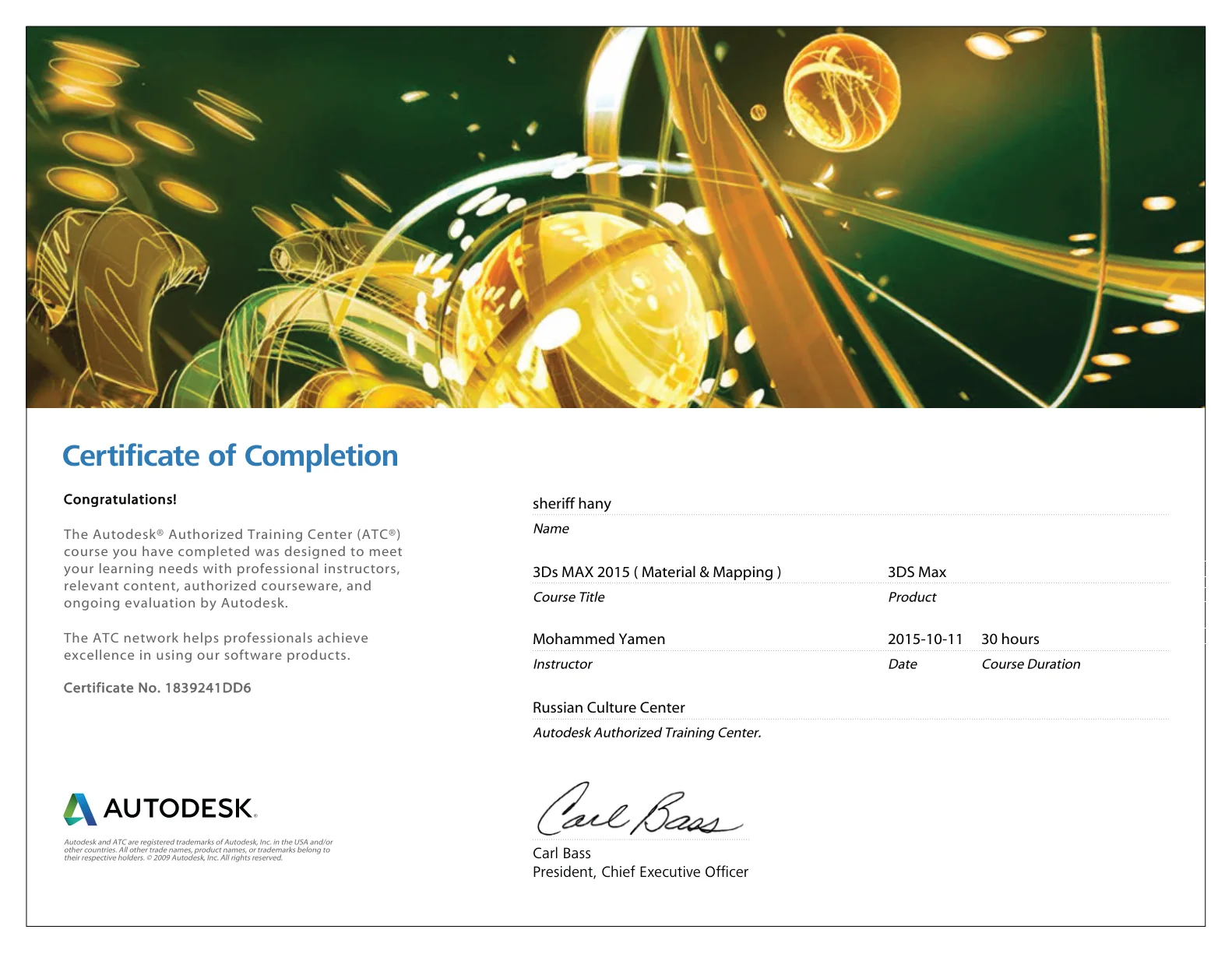
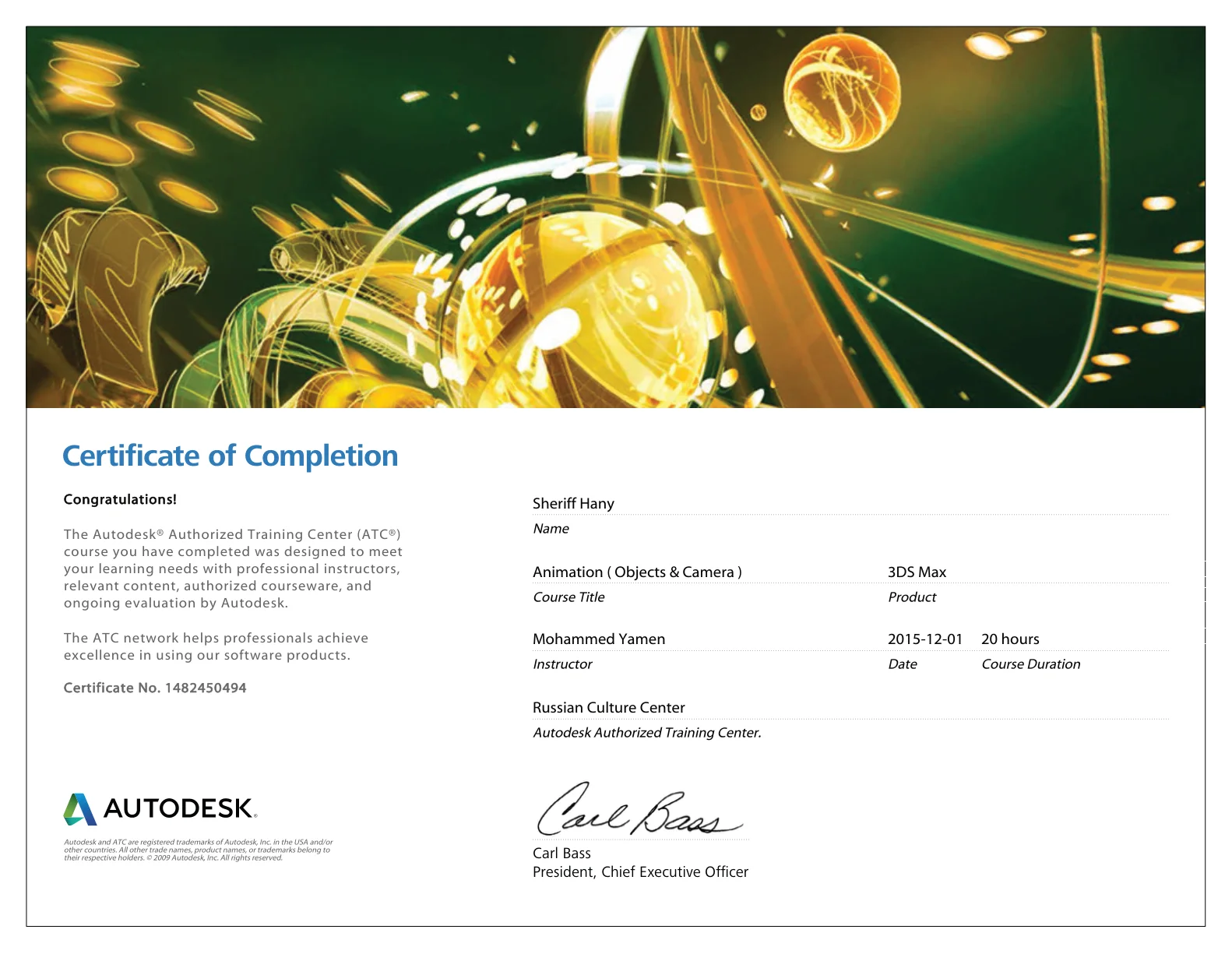
- These projects reflect my proficiency in Autodesk 3ds Max, advanced rendering techniques, and a keen eye for detail and composition. My foundational Certified Professional Autodesk 3ds Max credentials underpin this practical skill set, which I leverage for both high-quality pre-rendered visuals and assets suitable for real-time applications like Unreal Engine.
View portfolio on Behance →